
Search Colorado Bench Warrants
Colorado bench warrants are court orders issued when someone fails to appear for a scheduled court date. These warrants authorize police to arrest the named person and bring them before the court. Thousands of active bench warrants exist across Colorado's 64 counties. You can search for warrants through official state databases, county sheriff offices, and municipal court systems. Finding out if you have an outstanding warrant is the first step toward resolving the matter.
Colorado Bench Warrant Quick Facts
What Are Colorado Bench Warrants
A bench warrant is a legal order issued by a judge. The name comes from the bench where judges sit in court. These warrants tell police to find and arrest a specific person. They bring that person to court to answer for missing a court date. Colorado courts issue bench warrants every day across all 64 counties.
Colorado bench warrants differ from arrest warrants in key ways. An arrest warrant starts when police ask a judge for permission to arrest someone. A bench warrant comes straight from the judge. The judge issues it because the person did not show up for court. This is called failure to appear. The warrant stays active until the person is arrested or the judge cancels it.
These warrants can affect your life in serious ways. Police can arrest you at any time. Your name goes into state and national crime databases. You might face extra fines. Your driver's license could get suspended. You may have trouble getting bail if arrested. Clearing a bench warrant quickly is the best way to avoid these problems in Colorado.
The Colorado Judicial Branch oversees all courts that issue bench warrants. County courts and district courts both have the power to issue them. Municipal courts in cities can also issue bench warrants for local violations.
How to Search Colorado Bench Warrants
Finding bench warrant records in Colorado takes some work. No single free database shows all warrants. You must check several sources. Start with the statewide tools. Then check county and city resources. Each source gives different information.
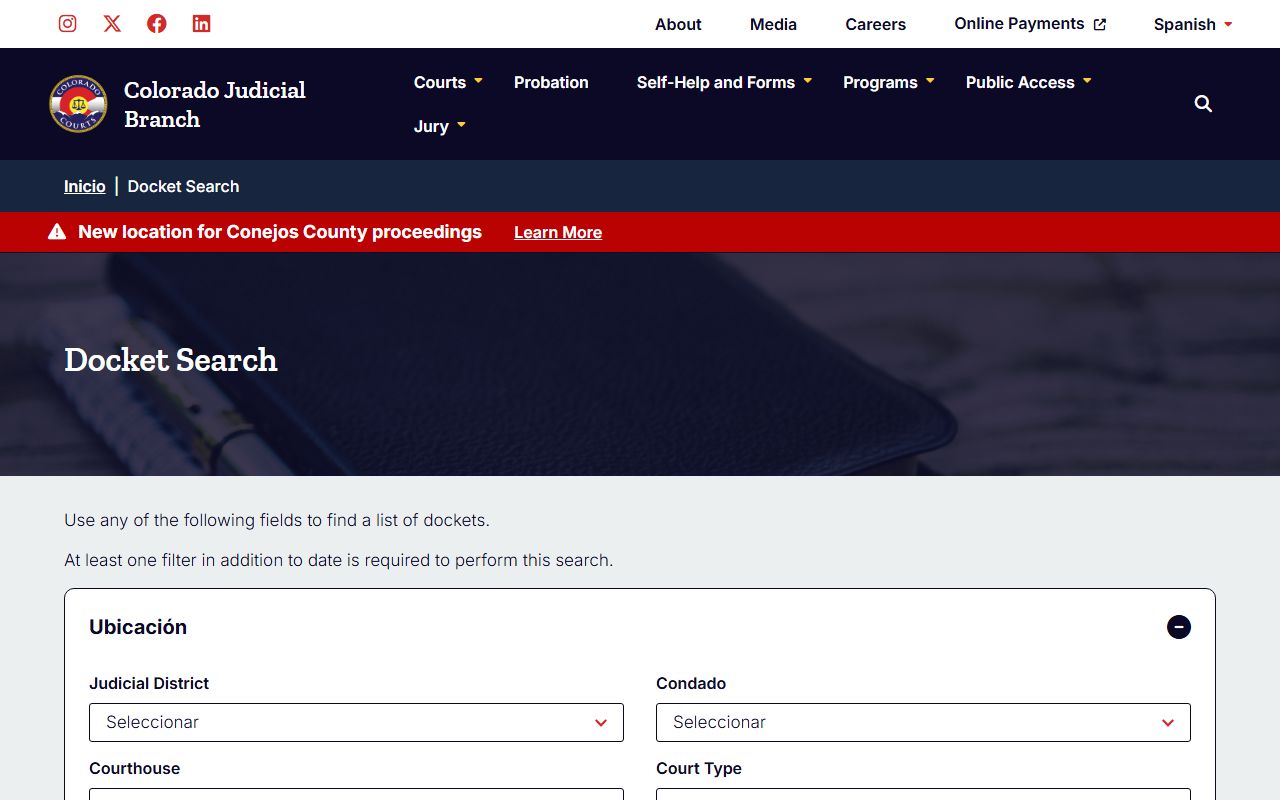
The Colorado Judicial Branch Docket Search offers free access to court records. You can search by name across all 64 counties. The system requires at least one filter beyond the date range. You can search by party name, case number, or attorney. This tool shows case information but may not show active warrant status for all records.
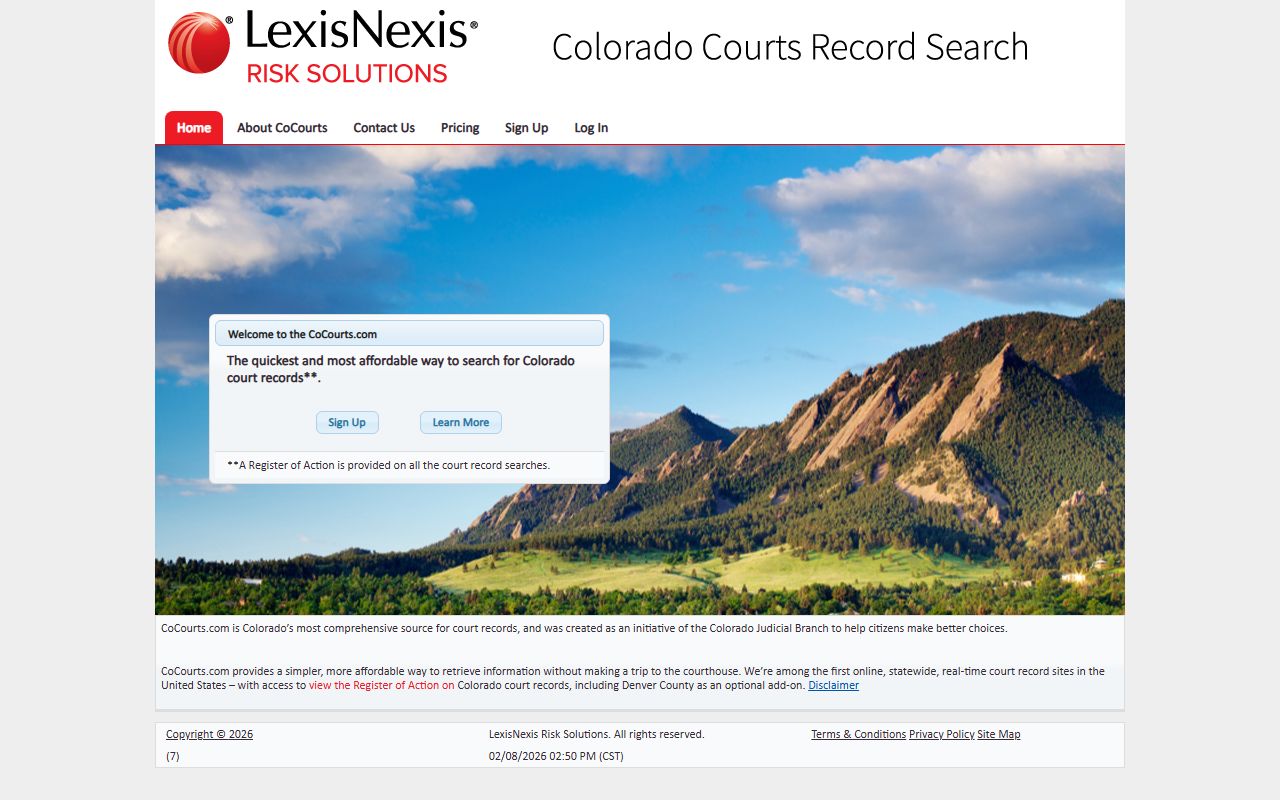
CoCourts.com provides the most complete warrant search in Colorado. This state-endorsed database costs $10 for a statewide search. The fee is the same even if no records are found. You get 24 hours to review results without paying again. This service covers all counties including Denver as an optional add-on. Many lawyers and agencies use this tool to find bench warrants in Colorado.
County sheriff offices maintain their own warrant lists. Some offer online searches. Others require phone calls or in-person visits. The Adams County Sheriff has a free online warrant search. Jefferson County lets you call their warrants unit. Each county sets its own rules for sharing warrant information.
Note: Not finding a warrant does not mean one does not exist. Records update at different times across agencies.
Colorado Laws on Bench Warrants
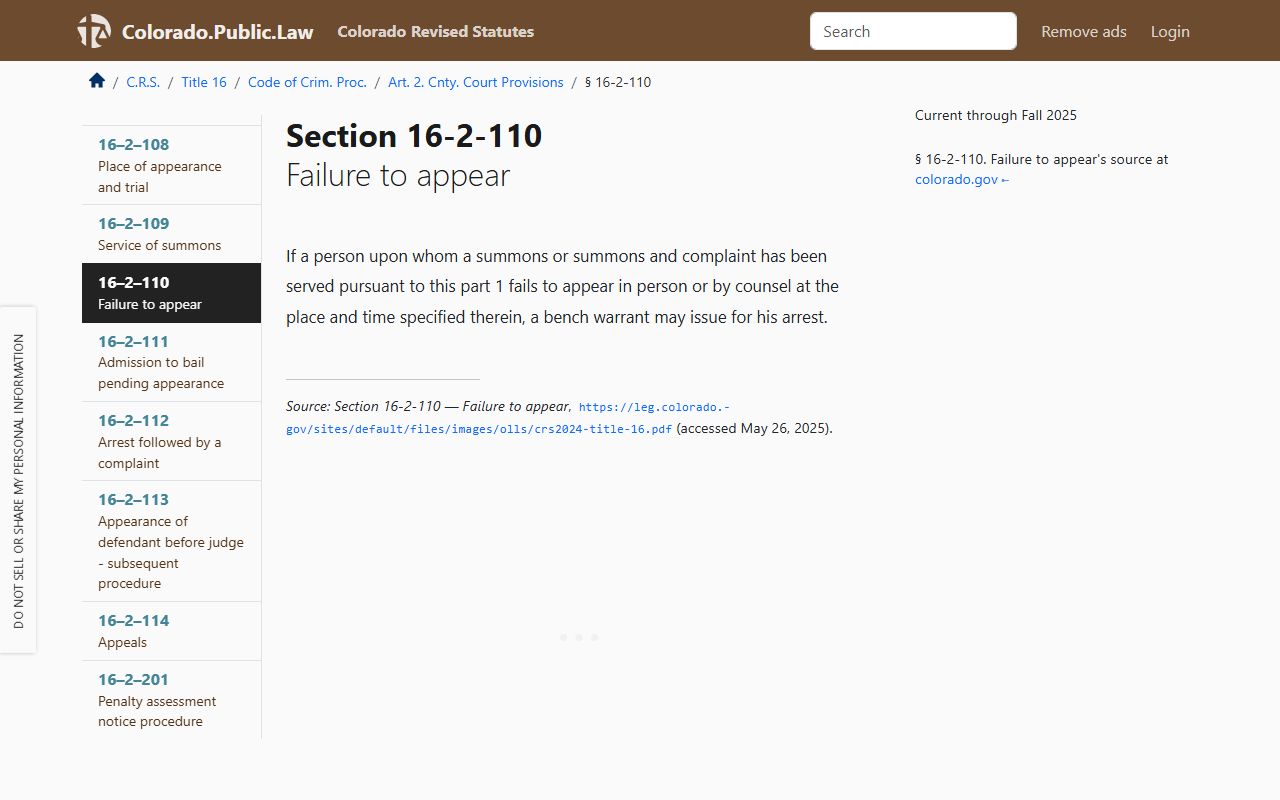
Colorado law gives courts clear power to issue bench warrants. The main law is C.R.S. § 16-2-110. This statute says judges may issue bench warrants when someone fails to appear after being served with a summons. The law applies to all Colorado courts. It is the foundation for most bench warrants in the state.
The Colorado Revised Statutes Title 16 covers all criminal procedure rules. It defines what a warrant is and how police must use it. C.R.S. § 16-3-102 explains when peace officers can make arrests. This includes arrests based on valid warrants. Officers can pursue suspects across county lines when they have warrant knowledge.
The Colorado Constitution also protects citizens. Article II, Section 7 requires probable cause for any warrant. Judges must have good reason to believe a crime occurred. They must also believe the named person failed to appear in court. This protection applies to all bench warrants issued in Colorado.
Courts follow the Colorado Rules of Criminal Procedure when issuing warrants. Rule 4 outlines the process for warrants on felony complaints. These rules ensure fair treatment. They protect both the public and the person named in the warrant.
Consequences of Bench Warrants in Colorado
Having an active bench warrant creates serious risks. Police can arrest you at any moment. This might happen during a traffic stop. It could occur at your home or workplace. Some people get arrested at airports or border crossings. The warrant shows up in national databases. Law enforcement across the country can see it.
Your driver's license may face suspension. Colorado puts an OJW hold on licenses for outstanding judgment warrants. OJW stands for Outstanding Judgment Warrant. This hold stays until you clear the warrant with the court. You cannot renew your license while the hold is active. You might not even know about the hold until you try to renew.
Additional penalties can add up quickly. The court may charge you with contempt. This is a separate crime from the original charge. Fines can increase. Future bail amounts may be higher. Judges may impose stricter release conditions. Some warrants have no bail set. This means you stay in jail until your next hearing.
Warrants never expire on their own. They stay active until resolved. The court must recall the warrant. Or police must arrest you. Time does not make a bench warrant go away. Ignoring the problem only makes it worse.
How to Resolve Colorado Bench Warrants
Clearing a bench warrant requires action. You cannot simply wait for it to disappear. The process varies by court and warrant type. Some warrants can be cleared with a phone call. Others require you to appear in person. Serious cases may need a lawyer's help.
The safest approach is to contact the court that issued the warrant. Find out what they require to clear it. Some courts let you schedule a new hearing date. Others want you to post bail first. The court clerk can explain your options. Bring proper identification when you contact them. Be ready to provide your case number if you have it.
Voluntary surrender often leads to better outcomes. Judges look kindly on people who take responsibility. You may get released on your own recognizance. This means you promise to return for court without paying bail. Some courts have warrant clearance events. These let people resolve warrants without being arrested. Check with your local court for upcoming events.
An attorney can file a motion to quash the warrant. This asks the judge to cancel it. Lawyers can often appear for you. This means you might not need to go to court yourself. The attorney argues why the warrant should be recalled. They might show you had a good reason for missing court. Or they prove you never got proper notice of the hearing.
Colorado Bench Warrant Fees
Resolving a bench warrant often involves fees. Courts may charge warrant cancellation fees. These typically run around $100 in many Colorado jurisdictions. Some courts call this a docket fee. You must pay it before the warrant is cleared. The fee does not include any fines or restitution you owe on the original case.
The CoCourts search fee is $10 for statewide access. This is a one-time charge per search. You can search up to four first names with the same last name for one price. Results are available for 24 hours. You pay even if no records are found. Denver County costs an extra $5 if you want it included.
Online payment systems help resolve some warrants. The Colorado Judicial Payment System lets you pay fines and fees. This might clear holds on your driver's license. It may not clear the warrant itself. Check with the specific court about what payments will accomplish.
Legal fees vary if you hire an attorney. Some lawyers charge flat fees for warrant resolution. Others bill by the hour. Many offer free consultations. They can explain your options before you commit to hiring them.
Browse Colorado Bench Warrants by County
Each of Colorado's 64 counties handles bench warrants through local courts and sheriff offices. Select a county below to find specific warrant search resources and contact information.
Bench Warrant Searches in Major Colorado Cities
Major cities in Colorado have municipal courts that issue bench warrants for local violations. These work alongside county courts. Select a city to learn about local warrant search resources.